• Cruise
  • Travel agency and TO
  • Press
  • MICE
  • Blog
I'm on site My favorites
Book my flight

In Martinique, plants aren’t just part of the landscape. They tell a story—the story of knowledge passed down from generation to generation. Long before the advent of modern medicine, families turned to nature to relieve everyday ailments. Grandmothers, parents, and elders knew the plants, knew how to gather them, prepare them, and use them according to local traditions.

Even today, this knowledge lives on. A herbal tea made with leaves from the garden, a herbal bath after a tiring day, or an infusion to combat the first signs of a cold are all part of the daily routines of many families in Martinique.

These natural remedies constitute a true cultural heritage. They reflect a close relationship between humans and nature, unique to the history of Martinique.

However, it is important to remember that medicinal plants contain active substances. Even though they have been used for generations, they are not without risks and should never replace medical advice. In case of doubt, illness, pregnancy, or ongoing treatment, it is recommended to seek advice from a doctor, pharmacist, or qualified professional. The vendors at Martinique’s markets often possess valuable traditional knowledge about plants, but their advice should be used to complement medical care when necessary.

The Creole Garden: The Wisdom of the Elders

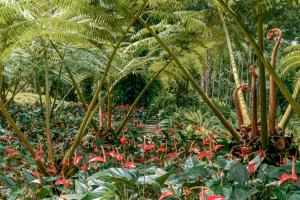
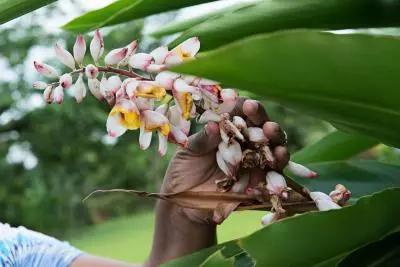
The Creole garden was once much more than just a garden. It was a veritable family pharmacy where every plant had its purpose. Our ancestors grew aromatic, edible, and medicinal plants there that were used in everyday life.

This knowledge, passed down orally for decades, is now an integral part of Martinique’s cultural heritage.

Lemongrass

Lemongrass is one of the best-known plants in Martinique. For generations, grandmothers have prepared it as an herbal tea when the first signs of a cold appear or after a hearty meal.

In Martinican tradition, it is used to alleviate flu-like symptoms, aid digestion, help reduce a mild fever, and promote a sense of relaxation. Its herbal tea is one of the island’s most popular natural remedies.

Ginger

Ginger is used in both Creole cuisine and traditional remedies.

For generations, people have used it to warm the body during cold weather, support the body’s natural defenses, aid digestion, and relieve certain joint or muscle discomforts. It is usually prepared as a tea with lemon and honey.

The Big Thyme

Widely found in Creole gardens, large-leaved thyme is an essential plant in the remedies passed down by our ancestors.

In folk tradition, it is mainly used to treat respiratory ailments such as colds, coughs, or sore throats. It is also valued for promoting good digestion. It is most often consumed as a herbal tea or through inhalation.

Indian Wood

The Indian wood tree is known as much for its aromatic leaves as for its role in traditional remedies.

Families in Martinique use it, in particular, to treat digestive problems, relieve certain muscle or joint pains, and prepare leaf baths designed to promote a sense of well-being.

Caribbean Verbena

For a long time, Caribbean verbena has been the go-to herb for peaceful evenings.

Traditionally, it is consumed to promote relaxation, help you fall asleep, and provide relief during periods of stress or nervousness. It is also used in some families to treat minor colds.

Basil

Beyond its use in cooking, basil also plays a role in Martinican folk traditions.

It is often consumed as a herbal tea after meals to aid digestion and promote general well-being.

Absinthe

Absinthe has long been used in certain traditional remedies in Martinique.

It is traditionally used to treat certain digestive disorders, such as stomachaches or nausea. However, due to its active ingredients, it should be used with great caution, and it is recommended to seek professional advice before consuming it.

Vetiver

Recognizable by its long, fragrant roots, vetiver is one of Martinique’s iconic plants.

For generations, its roots have been used in leaf baths or as an infusion to promote relaxation, help combat fatigue, and provide a truly soothing experience thanks to their distinctive fragrance.

Where can you find medicinal plants in Martinique?

Even today, you can still find these plants:

  • in Creole gardens;
  • at markets in Martinique;
  • from certain local growers;
  • in a few specialty shops.

Market vendors often have an excellent knowledge of the plants and their traditional uses. They carry on a tradition passed down through several generations and are an integral part of Martinique’s cultural heritage.

A Living Heritage to Preserve

Medicinal plants are part of Martinique’s cultural identity. They reflect the wisdom of our ancestors, the importance of the Creole garden, and the richness of local biodiversity.

However, these traditions must always be approached with caution. A medicinal plant remains an active substance that may have contraindications or interact with certain treatments. Before using any plant for health purposes, it is advisable to consult a healthcare professional and seek advice from qualified individuals.

Preserving this knowledge means passing on a part of Martinique’s history, while using it responsibly and with full awareness.

Take advantage of the best deals on flights to Martinique!

Adjust your dates based on the rates and pack your bags for a sunny getaway.

Book my flight

Partager cet article

Medicinal Plants in Martinique