• Cruise
  • Travel agency and TO
  • Press
  • MICE
  • Blog
I'm on site My favorites
Book my flight

Do you dream of white sand, turquoise waters, and tropical forests, but aren’t sure when to visit Martinique? Believe me, that’s THE question everyone asks me!

The good news is that my island is beautiful all year round. But depending on what you’re looking for—total relaxation, outdoor adventures, local festivals, or staying within a budget—certain times of year are clearly better suited than others.

Martinique has a tropical climate that guarantees warmth and sunshine practically all year round. Mild temperatures, turquoise waters, incredible vegetation… Here, we enjoy an average annual temperature of around 26 degrees, and believe me, it’s life-changing. But depending on the season—dry or wet—the island reveals very different sides of itself… And each has its own charms!

In this article, I’ll walk you through each month so you can choose the perfect time to visit Martinique based on what you’re looking for: the sunny high season, the lively rainy season, or the off-seasons that hold wonderful surprises. Prices, weather, activities, local atmosphere… Let me guide you!

Ready to plan the trip to Martinique you’ve been dreaming of? Come on, let’s go!
The Climate in Martinique: What You Need to Know Before You Go

Martinique has a tropical climate: hot and humid all year round. To put it simply, the average annual temperature is around 26 degrees, with daytime highs approaching 30 to 32 degrees and nighttime lows rarely dropping below 22 degrees. In other words, leave your sweaters and coats in your suitcases—you won’t need them!

What really characterizes Martinique’s climate is the alternation between two main seasons—Carême (the dry season) and Hivernage (the rainy season)—as well as the trade winds blowing in from the Atlantic. They set the rhythm of life on the island and regulate temperatures. You’ll see—even on the hottest days, a light breeze will always be there to cool you off.

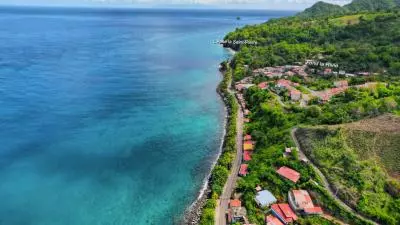
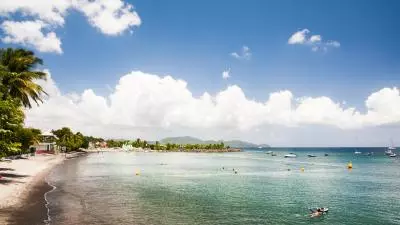
Anse Madame, Schoelcher Schoelcher

Take advantage of the best deals on flights to Martinique!

Adjust your dates based on the rates and pack your bags for a sunny getaway.

Book my flight

Average Monthly Temperatures

Temperatures vary very little from month to month, and that’s one of the great charms of Martinique! In January and February, daytime highs are around 28 to 29 degrees, with nighttime lows around 22 degrees: this is the “coolest” time of year, though it’s still very pleasant (we can all agree on that). From July through October, daytime highs climb to 31 to 32 degrees, and nights remain mild at around 25 degrees. The sea temperature, meanwhile, ranges from 26 degrees in winter to 29 degrees in summer. A real treat for water lovers like me!

My advice

If you’re sensitive to heat, I recommend visiting between January and March. The temperatures are a bit milder, and the trade winds blow nicely. Personally, I love this time of year for hiking in the forest!

Anse Couleuvre

Dry Season and Rainy Season: The Two Faces of Martinique

The dry season runs from December to May or so. It’s the dry season, with nearly 100% sunshine, very little rain, and strong (and refreshing) trade winds. You’ll see—the sky is often a perfect blue, the beaches are magnificent, and the sea is calm on the Caribbean side. It’s clearly the ideal time for sun lovers and swimmers.

The rainy season, on the other hand, runs from June to November. As you can imagine, this is the season of light rains, with frequent tropical showers—often short and intense—and higher humidity. Average rainfall is therefore higher, especially in July, August, and September.

I promise, the rainy season sounds scary on paper, but in reality the showers rarely last more than 20 minutes, and afterward, the vegetation is an incredible shade of green. I’ve gone on some of my most beautiful hikes right in the middle of August!

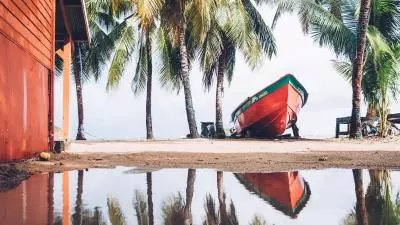
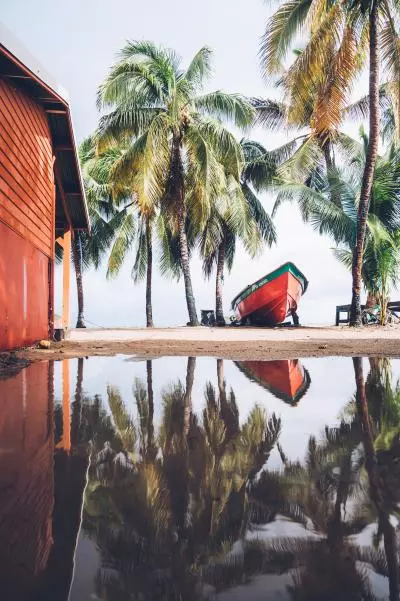
visuel barque plage visuel barque plage bestjober

The Off-Seasons: Periods Not to Be Overlooked

Between the dry season and the rainy season, there are two transitional periods with very distinct climatic characteristics. In May and June, the trade winds die down, the sky becomes a bit cloudier, and the first weather disturbances arrive gradually. In November and December, the rainy season gradually comes to an end, the rains become less frequent, and the weather stabilizes.

These off-seasons are often underestimated by travelers, but I find them incredibly charming: fewer crowds, more affordable prices, and nature that’s still very much alive. I highly recommend them!

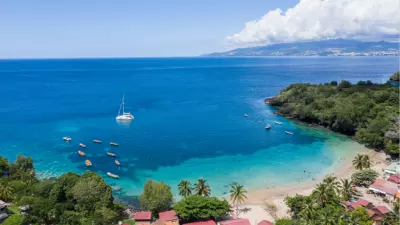
anse belleville plage

When is the best time to visit Martinique?

Let's be honest: there's no "bad" time to visit Martinique. But depending on your travel style, certain months are naturally better suited than others. I'll break it all down for you!

High Season: December through April—Bright, Sunny Weather

This is the most popular time of year—and for good reason! From December through April, the weather is beautiful, rainfall is minimal, and temperatures are ideal. It’s perfect for beaches, diving, boat trips, and walks. Families and couples generally love this time of year.

On the practical side, keep in mind that this is also peak tourist season. Hotels, flights, and car rentals are often more expensive. Be sure to book them well in advance!

My pro tip: book at least 3 months in advance if you’re planning a trip for Christmas, February, or Easter. That way, you’ll avoid any unpleasant surprises!

There are also plenty of cruise passengers between January and April, especially in Fort-de-France and Saint-Pierre. If you’re coming on a cruise, this is definitely the ideal time to enjoy a stopover in the sun.

trois ilets

The Off-Season: June through November—A Different Side of the Island

The rainy season is the low tourist season. And personally? I think it’s a truly underrated time of year. Yes, there’s more rain. But flight and hotel prices are much more affordable, the beaches are less crowded, and nature is incredibly bountiful. The waterfalls are at their fullest, the forests are lush… It’s a different way to experience Martinique—more authentic, more intimate.

On the other hand, if you can’t stand light rain, I wouldn’t recommend visiting in September and October. These are the rainiest months of the year, with possible bouts of severe weather. Average rainfall peaks during this time, and the sky can remain cloudy for extended periods, but Martinique is still full of surprises! Be sure to keep an eye on the weather reports!

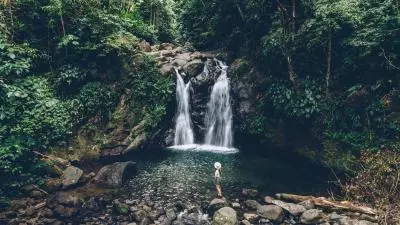
cascade

My Quick Guide to the Best Months Based on Your Profile

  • Do you love the sun and the beach? Go for January, February, or March. Lent is in full swing, the trade winds are blowing gently, and the temperatures are perfect.
  • Do you love parties and the local vibe? July is for you! The Tour des Yoles Rondes, patron saint festivals, the energy of summer break… In July, Martinique is electric!
  • Looking to save money? May, June, or November are your best bets. Fewer tourists, deals on flights and hotels, and Martinique is still just as beautiful.
  • Are you a hiker or nature lover? You’ll love April and May: the vegetation is beautiful, the temperatures are pleasant, and the trails aren’t too wet yet.

Martinique: A Destination That's Much More Than Just a Beach

To wrap things up, what I want to tell you is that no matter when you visit, Martinique will surprise you. Because my favorite island isn’t just about beautiful beaches and a glass of ti-punch at sunset(even though we can all agree that’s a must!)

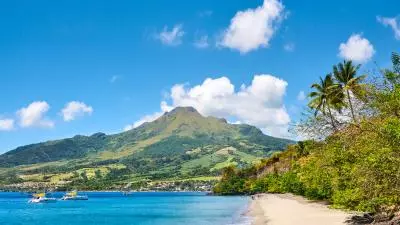
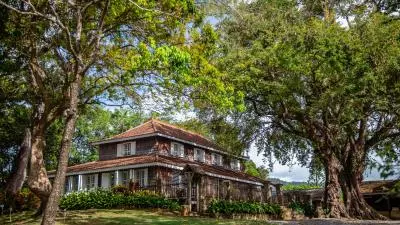
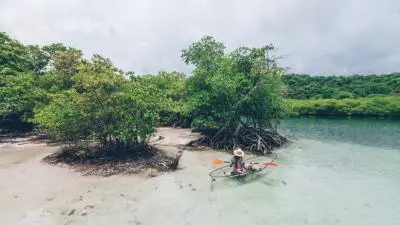
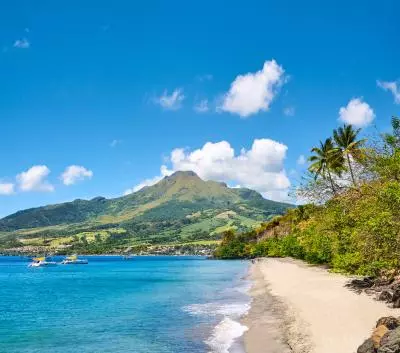
It’s also Mount Pelée and its hiking trails, the AOC rum distilleries (unique in the world!) to visit, the colorful markets of Fort-de-France, the rich history of Saint-Pierre, the white sandbanks of Le François, and the Génipa mangrove forest to explore by kayak… There’s always something to do, no matter the weather. Trust me, even during a light tropical shower, Martinique is magnificent.

My final piece of advice: don’t let your fear of the weather hold you back. Plan your trip based on your interests and budget, and let the island do the rest. It always knows how to surprise you. So, shall we book it?

montagne pelee
Habitation clément
marché couvert
kayak mangrove

Partager cet article