• Cruise
  • Travel agency and TO
  • Press
  • MICE
  • Blog
I'm on site My favorites
  • Meryl's Concert (Free)

    July 13, 2026, at 7:30 p.m.
    Savane in Fort-de-France

Book my flight

Here’s a quick pop quiz: Did you know that Martinique is nicknamed “the Island of Flowers”? No? Let me tell you about it! This nickname— Madinina to those in the know—has never been more fitting. From the moment I set foot here, I was fascinated by this incredible biodiversity, where every street corner and every trail looks like a real-life, life-size botanical catalog.

So get ready: whether you’re a gardening pro or just someone who loves beautiful things, Martinique’s flora is going to sweep you off your feet. Grab your camera—I’m taking you on a tour of my extraordinary garden!

Martinique, a Garden of Eden in the Heart of the Caribbean

In fact, Martinique owes its abundance to its climate and its rich volcanic soil. From the peak of Mount Pelée to the plains of Rivière-Salée, the island is a veritable natural laboratory.

It’s no coincidence that the Martinique Regional Nature Park covers 93% of the island and works tirelessly to protect these species. Here you’ll find plants that can’t be found anywhere else, and others that have adapted so well that they’ve become an integral part of Martinican culture. You’ll see—walking here means realizing that every flower in Martinique has its own story, its own purpose, and its (important) place in this vast tropical puzzle.

But be careful—you can’t just pick and take home anything!

The flowers are so beautiful that you’re bound to be tempted to slip a small cutting of a porcelain rose or a flamboyant seed into your suitcase to replant at home. But… be careful—it’s strictly forbidden! To protect ecosystems and prevent the spread of pests, you cannot travel with so-called “wild” plants. The only way to bring exotic flowers home is to buy certified bouquets from specialty shops at the airport, in markets, or at florists. They’re inspected, packaged for travel, and come with a phytosanitary certificate. Respecting nature is also part of being a good visitor!

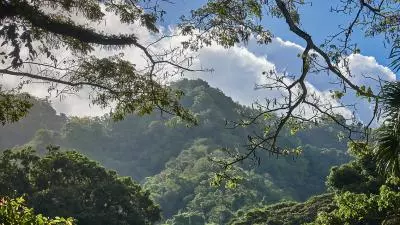
montagne pelee

My Top Picks for Exotic Flowers in Martinique That You Shouldn't Miss

The Hibiscus, the Star of Our Gardens

You can’t miss the hibiscus—it’s Martinique’s quintessential star flower. It’s simple—you’ll see, they’re everywhere! From bright red to soft pink to orange-yellow, hibiscus brightens the hedges and gardens of every home.

Pro tip: some varieties are even used to make herbal tea! But between us, we love it mostly for its “beauty queen” appeal. It’s that little touch of Martinican tropical charm that’ll spruce up all your vacation photos.

The Porcelain Rose, my absolute favorite

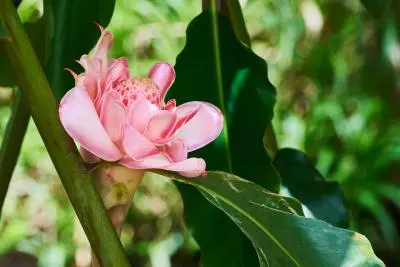
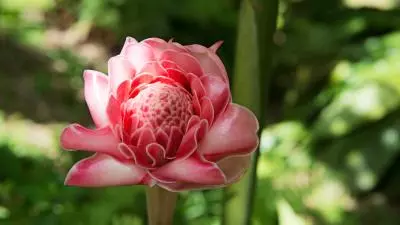
If there’s one plant that leaves me speechless every time, it’s the porcelain rose. It’s incredible—you’ll see—it looks just like a wax sculpture! With its immense stem and striking center, the porcelain rose—Martinique’s royal flower—is the queen of bouquets and floral arrangements.

It’s often found in northern Martinique, where the forest’s humidity gives it its full vigor.

The Bird of Paradise and the Balisier: Pure Design

Expert friends and fans of unique flowers, if you’re looking for the very definition of a tropical flower, here it is! The bird of paradise truly lives up to its name with its orange, crane-like head, ready to take flight.

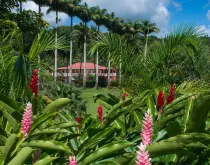
Right next to it, you’ll often find the Balisier. With its intense red, claw-shaped flowers, it’s one of the symbols of Martinique’s tropical forest biodiversity.

A little tip from a passionate hiker: take a close look inside the leaves—you’ll often find small pools of water where insects come to drink. You’ll thank me for this, I’m sure!

The Anthurium: Elegance from the North

Now let’s turn to another must-see flower in Martinique, a true icon: the anthurium. With its glossy, almost lacquered appearance, it’s sometimes called the “tongue of fire.” It thrives in humidity, which is why it blooms so beautifully on the slopes of Mount Pelée.

My little tip: it’s the star of Creole floral arrangements because, in bouquets, it lasts forever!
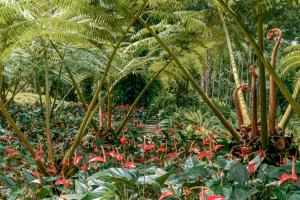
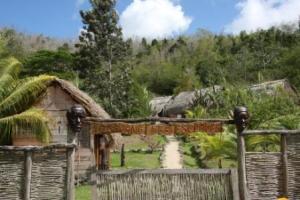
photo d'une fleur rose de porcelaine rose_de_porcelaine_flore_martinique_1

Where can you see the island's most beautiful flora?

It's all well and good to talk about it, but where do we go to see this spectacle in person? Here are my favorite spots—be sure to jot them down in your little travel journal.

The Balata Garden: a must-see on the hills above Fort-de-France

First, head straight to the legendary Route de la Trace. For me, the Balata Garden is the most beautiful garden in the Caribbean. It’s a veritable open-air art gallery where you can stroll among hundreds of species from all over the world.

My tip: don’t miss the suspension bridge hanging among the trees. You’ll see—you’ll have a bird’s-eye view of the exotic flowers and hummingbirds gathering nectar right before your eyes. It’s truly magical!

The Domaine d’Émeraude in Morne-Rouge

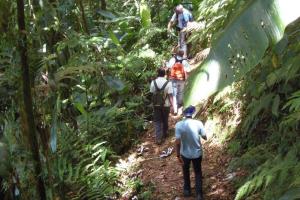
If you’re Indiana Jones’s twin and dream of a wilder adventure, head to the Domaine d’Émeraude in Morne-Rouge. You’ll see—the site is managed by the Martinique Regional Nature Park and offers educational trails deep in the forest.
You’ll be able to discover the local flora in its natural habitat. It’s peaceful, it’s cool, and you’ll learn a great deal about the island’s medicinal and ornamental plants. A sure favorite for lovers of unspoiled nature.

Zoo De Martinique-Habitation Anse Latouche Le carbet
  • Parks & gardens
Located in Le Carbet, Martinique Zoo is housed in the Habitation Latouche, one of the island's oldest dwellings, founded in 1643. Classified as a Remarkable Garden, the site offers a unique visit combining animal discovery, tropical garden and historical heritage. The route leads through a verdant valley dotted with remarkable remains, natural pools and lush vegetation. Jaguars, pumas, atletes, Caribbean flamingos, parrots and a host of tropical species live in landscaped areas integrated into the garden. Accessible to all the family, the zoo offers an immersive and educational experience lasting between 1? and 2 hours, at the heart of one of the most emblematic sites in the north of Martinique.
Jardin Remarquable De L'habitation Saint-Etienne Gros-morne
  • Parks & gardens
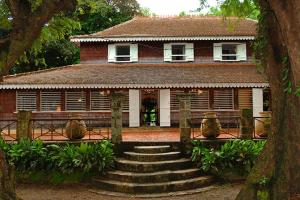
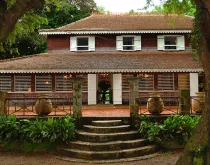
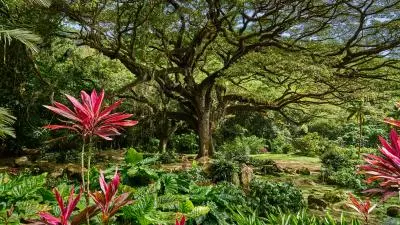
Be amazed by this remarkable 5-hectare garden surrounding the Habitation Saint-Étienne, nestling in the heart of the Gros-Morne commune. With the Lézarde River running through it, this unique botanical park is divided into a number of carefully designed themed areas. It is home to more than 180 species of plant, presented in a unique aesthetic setting: a soothing bamboo grove, a lush orchard, majestic horticultural trees and a wide variety of palm trees. All of this forms a living natural setting, inhabited by a rich and endemic fauna. Listed as a Historic Monument, the park is also a veritable open-air museum. Contemporary sculptures and monumental works of art line the route, creating a striking dialogue between art and nature.
Habitation Clement Le françois
  • Distillery
  • Tasting
Located in the heart of the sugar cane plantations, Habitation Clément now houses the historic headquarters of Clément rums, a magnificent botanical garden and the Clément Foundation for the promotion of Caribbean arts, making it one of Martinique's major cultural and heritage sites. It is characterised by the maintenance of its industrial activity, i.e. the cultivation of sugar cane and the ageing and preparation of rum. This dual activity, industrial and cultural, makes it little more than a business or a museum.
An Mao Héritage Le marin
  • Parks & gardens
"An Mao Héritage" is a place of remembrance designed by Pierre-Yves PANOR, a fervent defender of Martinique's heritage, on the site once inhabited by his ancestors: An Mao. The site sheds light on the way in which his ancestors inhabited the area during slavery through marronage, then as free men and women in search of a new destiny after abolition. With its memorials, century-old trees, rare medicinal plants, breathtaking panoramas and legends, as well as the erudition of its guide, "An Mao Héritage" is a lively account of Martinique in all its depths, its history, its culture and its heritage, while encouraging sharing, fraternity and the protection of nature.
La Savane Des Esclaves Les trois-ilets
  • Museums
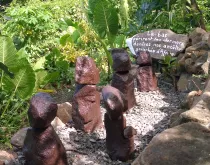
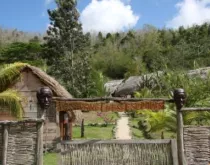
In a 3-hectare park, discover 400 years of Martinique's history: a reconstruction of an Amerindian village, a visit to the Rue Case-Nègres illustrating the way slaves lived in their dwellings, and finally the way people lived in the countryside after abolition until 1960. There are 25 traditional huts, 26 bilingual panels, a Creole garden and a medicinal garden to discover during your visit. A video of Gilbert Larose, the creator, explains the history of Martinique and what he has achieved. The tour is self-guided at your own pace, with a map provided and plenty of bilingual French/English signage.
Habitation Ceron Le precheur
  • Traditional cuisine
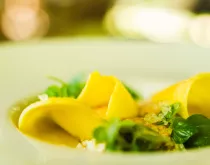
A unique location in the 'case-nègre' street between the river and the sea, in the middle of the rainforest. The restaurant offers you its specialities: crayfish a la plancha caught at night (the crayfish is accompanied by fresh produce from the house); chocolate fondant and homemade bitter orange jam! You'll also find refined fish and meat menus. The side dishes are concocted from fresh vegetables and fruit grown at the Habitation. In the afternoon, come and enjoy our homemade delicacies in the shade of the restaurant's cabins.

Our Tip

Be sure to pick up a copy of the *La Martinique des Jardins* guide so you don’t miss a thing!

Produced in collaboration with the Martinique Department of Cultural Affairs

Why is Martinique the ultimate "flower" destination?

As you can see, a vacation here is about much more than just white-sand beaches. It’s an immersion in vibrant nature. Whether on Mount Pelée, in the rainforest, or in the gardens, flowers are everywhere. They’re part of Martinique’s identity, its celebrations, and everyday life.

So, trust me—on your next vacation in Martinique, take the time to stop and admire the delicacy of a porcelain rose or the brilliance of a flamboyant tree. It’s these little details that make this beautiful island so special.

And you—which flower inspires you the most?

photo représentant la flore Martiniquaise flore_martinique_1

Everything You Need to Know About the Flora of Martinique

Yes, but under certain very strict conditions! You cannot pick wildflowers or bring back potted plants. The only legal way is to buy a certified bouquet from an authorized florist (there’s one at the Fort-de-France airport) or at the markets. These bouquets are treated and packed in special boxes with a phytosanitary certificate so they can clear customs without any problems.

In Martinique, there are flowers all year round! However, if you want to see the flamboyant trees in full bloom, you’ll need to visit between June and August. As for tropical forest flowers like anthuriums and porcelain roses, they’re stunning all year round, but even more vibrant after the light rains of the wet season (the hivernage).

To admire local floral arrangements, the markets are must-see destinations, especially the Grand Marché in Fort-de-France. If you’re looking to buy a bouquet as a gift or to take home, specialty shops in northern Martinique, as well as florists throughout the island and at the airport, offer magnificent arrangements featuring birds of paradise, balisiers, and alpinias.

This nickname comes from its Native American name, Madinina. Thanks to its fertile volcanic soil (thanks, Mount Pelée!) and its warm climate, the island boasts a unique biodiversity, with thousands of species of tropical plants growing everywhere—even along the roadsides!

Take advantage of the best deals on flights to Martinique!

Adjust your dates based on the rates and pack your bags for a sunny getaway.

Book my flight

Partager cet article