• Cruise
  • Travel agency and TO
  • Press
  • MICE
  • Blog
I'm on site My favorites
Book my flight

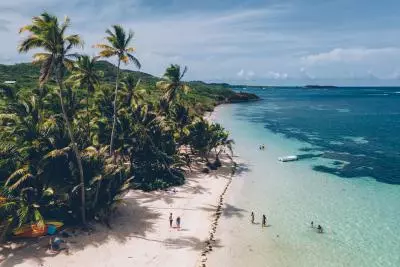
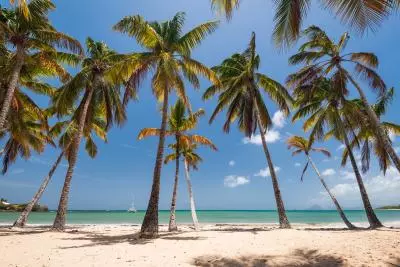
When planning a vacation in the tropics, most people picture beaches lined with coconut palms, turquoise waters, and endless sunshine. However, in Martinique, rain showers are also part of the experience, especially during the rainy season, which generally runs from June to November.
The good news is that a tropical rain shower rarely means a ruined vacation. More often than not, it lasts only a few dozen minutes before the sun comes out again. And when a storm lingers for several hours, it’s the perfect opportunity to discover another side of the island.
Cultural heritage, cuisine, traditions, crafts, or family activities… there’s no shortage of ideas. If you’re wondering what to do in Martinique when it rains, here are some ways to turn a rainy day into a wonderful travel experience.

Explore Martinique's Museums

When it rains, museums offer an excellent opportunity to gain a deeper understanding of Martinique’s history and culture. From Saint-Pierre to the southern part of the island, each one tells a story of the local heritage.

Dive into the History of Martinique

It’s impossible to discover Martinique without learning about its history.

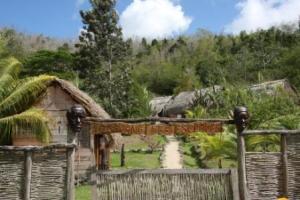
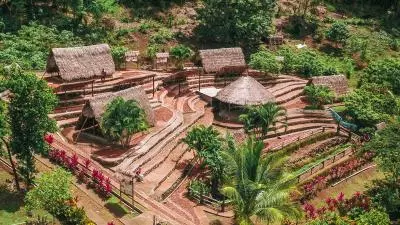
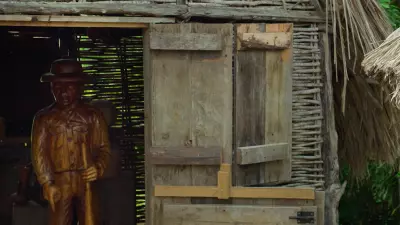
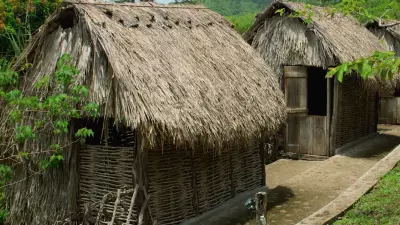
In Les Trois-Îlets, La Savane des Esclaves is undoubtedly one of the island’s most striking sites. Although part of the tour takes place outdoors, several areas are covered, allowing you to continue your exploration even in the event of a downpour. The tour traces the history of the island’s first inhabitants, slavery, and Creole traditions through particularly immersive reenactments.

Further south, in Rivière-Pilote, the Martinique Ecomuseum perfectly complements this exploration. Here, visitors can explore the lifestyles of the past, traditional crafts, agriculture, folk beliefs, and everyday objects that have shaped Martinican culture.

In Les Trois-Îlets, the Maison de la Canne looks back on several centuries of sugarcane cultivation. Through exhibitions accessible to all, it explains how this plant has profoundly shaped the island’s economic and social history.
These three visits offer a deeper understanding of today’s Martinique by exploring its past.

Explore the island’s natural riches

Martinique is more than just its beaches. Its tropical rainforest, volcanoes, and biodiversity are also well worth exploring.

In Saint-Pierre, visit the Earth Sciences Discovery Center (CDST). Through models, videos, and interactive exhibits, it tells the story of Mount Pelée, the 1902 eruption, and the volcanic phenomena that shaped the island. A fascinating visit for adults and children alike.

In Morne-Rouge, the Domaine d’Émeraude, located in the heart of Martinique’s Regional Nature Park, features a modern museum space dedicated to Martinique’s natural environments. Fauna, flora, endemic birds, and the tropical rainforest are presented in a fun and engaging way —and why not continue the visit along the trails once the rain stops?

Less well-known, the Martinique Hydraulic Museum in Gros-Morne tells another essential story: that of water. Through various exhibition spaces, it explains how the island’s inhabitants learned to capture, transport, and distribute this indispensable resource on a volcanic island.

Discover a Unique Industrial Heritage

Martinique also boasts a rich agricultural and industrial heritage.

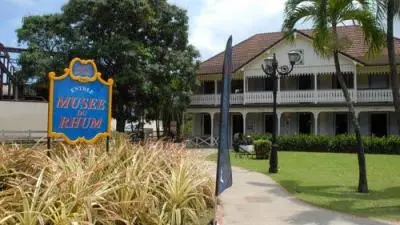
In Sainte-Marie, the Saint-James Rum Museum traces several centuries of agricultural rum production. Vintage machinery, advertising posters, tools, and historic buildings offer insight into the importance of this industry in the island’s history.

Also in Sainte-Marie, the Banana Museum celebrates one of Martinique’s most iconic fruits. The tour explains the different stages of banana cultivation, its evolution over the decades, and its role in the local economy.

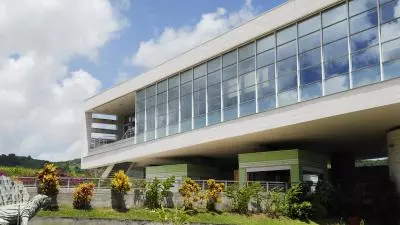
Finally, if you’re passing through Fort-de-France, take a few moments to explore the magnificent Schœlcher Library. Its remarkable architecture and light-filled interior make it one of the capital’s most iconic landmarks.
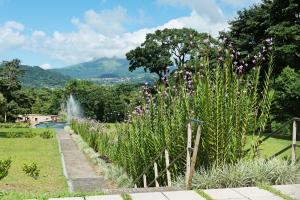
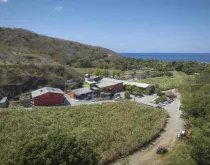
savane des esclaves vue drone
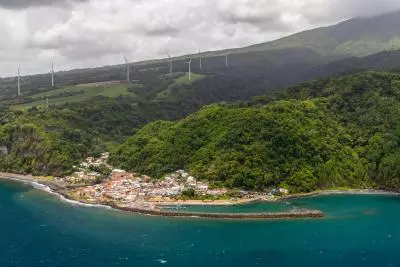
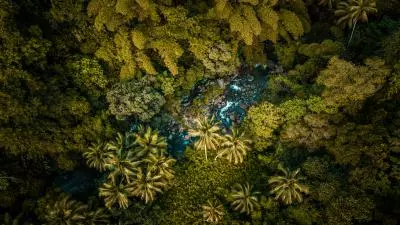
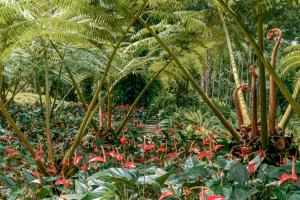
photo vue du ciel de la forêt flore_martinique
centre des sciences et de la terre
photo case des colons savane des esclaves savane des esclaves martinique
photo case savane des esclaves martinique case savane des esclaves martinique

Visit a rum distillery

Although some distilleries have large gardens, most of the tours take place inside the old production buildings. This makes it an excellent activity on overcast days.
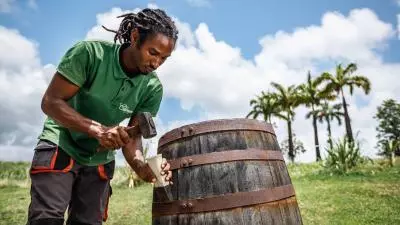
Much more than just a tasting, these tours offer insight into the expertise behind AOC Martinique agricultural rum, the only agricultural rum in the world to hold an Appellation d’Origine Contrôlée designation.
You ’ll discover the historic machinery, distillation columns, aging cellars, sugarcane mills, and the various stages of production, from harvest to bottling.
Among the most notable tours are:

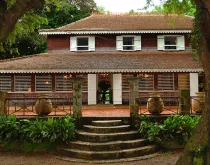
  • Habitation Clément, in Le François, renowned for its Creole plantation house and contemporary art exhibitions;
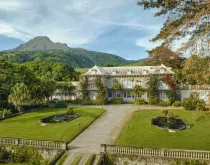
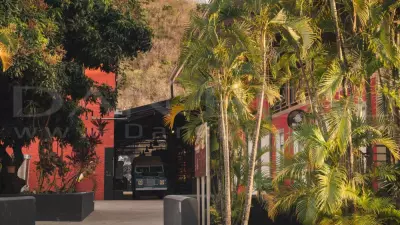
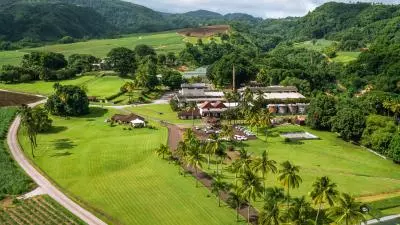
  • the Depaz distillery, at the foot of Mount Pelée, with its magnificent estate;
  • Saint-James, in Sainte-Marie, which combines a museum and a distillery;
  • Neisson, in Carbet, appreciated for its family-friendly atmosphere;
  • La Favorite, near Fort-de-France, one of the last family-run distilleries still in operation.

Whether you’re a rum lover or simply curious to discover a part of Martinique’s heritage, these visits are well worth the detour.

Distillerie Neisson Le carbet
  • Distillery
  • Tasting
The NEISSON distillery is a small, independent family business located at the entrance to the carbet on the Domaine THIUBERT. Co-founded in 1932 by 2 brothers: Jean and Adrien NEISSON. Jean set himself a mission: to make NEISSON rums a benchmark for white rums in Martinique. Subsequent generations have worked to preserve the know-how that has made the brand famous, and to develop it further by producing the world's first organic AOC white rum in 2016. In 2018, Neisson was awarded the state label: Entreprise du Patrimote Vivant, a label of excellence for industrial and artisanal know-how. To discover all this, we offer two types of experience: one free and the other guided. The aim is to explore the estate and discover the secrets behind the production of our rum at your own pace.
Distillerie Depaz Saint-pierre
  • Distillery
  • Tasting
Built in 1635 by Jacques du Parquet, nephew of Belain d'Estambuc, the "La Montagne" estate was an example of a sugar-producing dwelling. In 1902, the eruption of Mount Pelée wiped out the town of Saint-Pierre, killing 30,000 people, including the entire Depaz family, and destroying the house. Victor Depaz, the only surviving member of the family, who was studying in Bordeaux at the time, decided to move back to the island and set about rebuilding the Depaz house, which had by then become a distillery. The distillery covers 80 hectares of volcanic land at the foot of Montagne Pelée, between the sea and the mountains. Its rum reflects the painstaking work that went into its creation, with its distinctive scents and flavours. The regularity of its production, the care taken in fermenting the cane juice and its volcanic terroir are all details that ensure the success of its agricultural rum. You can explore the distillery on a self-guided tour, in an exceptional setting overlooking Montagne Pelée. You'll see the island's oldest steam engine, an 18th-century beast mill and a small museum. The DEPAZ boutique is more than just a sales outlet. Above all, it is a privileged place for tasting DEPAZ rums, which the friendly and helpful team will help you to discover and appreciate. The entire range of DEPAZ rums is on offer, from whites such as the "Cuvée de la Montagne" to aged rums such as the XO Millésime 2002, Gold Medal winner at the Concours Général Agricole in 2019. In addition, some of the traditional local products are on display, such as the honey produced by the Château DEPAZ beehives.
Distillerie St James Sainte-marie
  • Distillery
  • Tasting
The SAINT JAMES Distillery, an experience not to be missed The oldest rum brand in Martinique since the late 19th century, Saint-James was the first distillery to create its own square bottle in 1883, the iconic SAINT JAMES brand. A pillar of the island's history, SAINT JAMES decided in the 1970s to devote part of its site to promoting the history of rum, launching the spirit tourism industry in Martinique. In the wooden colonial house dating from 1872, the entire history of rum is on display, defying the passage of time since 1765. In the gardens at the entrance to the Musée du Rhum, a paddlewheel (1860), cane mills and a whole collection of steam engines, including a venerable Watt engine from 1815, proudly take pride of place. Created in 2009, the Maison de la Distillation (House of Distillation) invites visitors to discover all the secrets of the art of distillation, through an exhibition of distilling equipment. In the cellar of the House of Distillation, you can discover the incomparable collection of old SAINT JAMES vintages from 1885 to the present day, in their original packaging. This collection is unique in the Caribbean. Over the decades, SAINT JAMES has become a world-famous rum and a part of Martinique's soul. A must-see site in Sainte-Marie, voted Tourist Site of the Year in 2023 by "Icons of Rum". Alcohol abuse is dangerous for your health, consume in moderation.
Habitation Clement Le françois
  • Distillery
  • Tasting
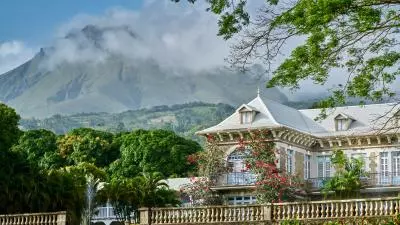
Located in the heart of the sugar cane plantations, Habitation Clément now houses the historic headquarters of Clément rums, a magnificent botanical garden and the Clément Foundation for the promotion of Caribbean arts, making it one of Martinique's major cultural and heritage sites. It is characterised by the maintenance of its industrial activity, i.e. the cultivation of sugar cane and the ageing and preparation of rum. This dual activity, industrial and cultural, makes it little more than a business or a museum.
Distillerie neisson
distillerie depaz
distillerie saint james
photo habitation clément distillerie martinique habitation clément distillerie martinique
photo Distillerie depaz Distillerie depaz

Take advantage of the rain to discover the flavors of Martinique

In Martinique, a rainy day is rarely seen as a nuisance. On the contrary, it often encourages people to slow down.

Café terraces fill up, bakeries waft the scent of warm bread, and families take advantage of this moment to share a meal or a snack.

It’s the perfect time to sample a few local specialties: coconut flan, blanc-manger, doucelettes, tourment d’amour, or even artisanal coconut sorbet.

But if there’s one tradition that’s particularly associated with rainy days, it’s undoubtedly “chocolat communion.” This hot chocolate, made with cocoa, cinnamon, nutmeg, vanilla, and sometimes a hint of lime zest, is usually served with a generous slice of buttered bread. Served at First Communion celebrations, family gatherings, or simply on Sunday mornings, it evokes many childhood memories for people from Martinique. If you’re visiting the island during the rainy season, this is a specialty you should definitely try.

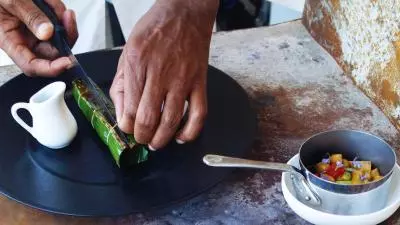
photo du plat de ravin de selle d'agneau version gastronomique Recette_ravin_Gastro_Selle_d'agneau

Take part in a workshop to discover local crafts

A quieter day is also an opportunity to enjoy a different kind of experience, getting up close and personal with Martinican artisans.

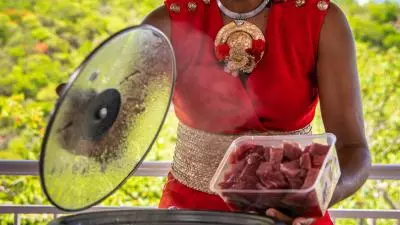
Depending on when you’re visiting, you can take part in Creole cooking workshops, learn how to make cod acras, colombo, or coconut flan, discover the secrets of local spices, or even make your own infused rum. Some artisans also offer introductory sessions in pottery, jewelry making, or cocoa processing.

These experiences allow you to take home a unique souvenir while interacting with passionate artisans who are happy to share their expertise.

cuisinière martiniquaise

Treat yourself to a wellness break

Why not take advantage of this day to slow down a bit?

Several hotels and spas open their wellness facilities to outside visitors. Massages with tropical oils, body treatments, steam rooms, and hot tubs offer a pleasant break before heading out to explore the island again.
After several days of hiking, diving, or excursions, this break is often a welcome respite.

massage martinique

Stroll through the covered markets and local shops

When it rains in Fort-de-France, the Grand Marché Couvert is a great place to visit.

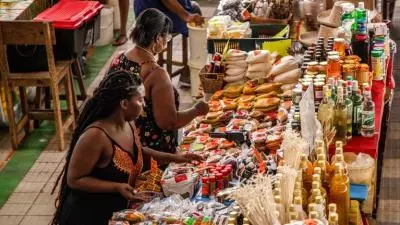
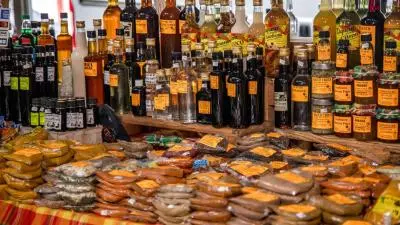
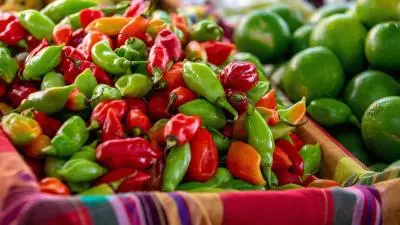
Under its colorful roof, the stalls are brimming with spices, vanilla, artisanal jams, punches, rums, woven baskets, and locally made goods. It’s the perfect place to pick up a few souvenirs while discovering the flavors and scents of Martinique.

If you’d rather do some shopping,malls like La Galleria in Le Lamentin or Génipa in Ducos are also great places to spend a few hours out of the rain.

marché couvert
marché couvert
agritourisme
marché couvert

What can you do in Martinique with kids when it rains?

Rainy days are often the ones families dread the most. However, there are plenty of activities that let the little ones keep having fun.

Bowling, movies, and escape rooms

Depending on where you’re staying, you’ll also find plenty of indoor recreational activities.
Bowling, movies, arcades, and escape rooms are great ways to enjoy some quality time with family or friends while you wait for the rain to pass.

Enjoy the cultural events

Rain can also be an opportunity to explore Martinique’s arts scene.

In Fort-de-France, Tropiques Atrium hosts concerts, plays, dance performances, festivals, and exhibitions throughout the year. Depending on when you’re visiting, you might be able to attend an event showcasing local artists.

Don’t hesitate to check the programs at the media libraries and cultural centers in the various municipalities, which regularly offer events open to everyone.

> For more information on events, you can check the calendar.

baccha fest

What if the rain only lasted a few minutes?

In Martinique, tropical downpours are sometimes as intense as they are brief.

It’s not uncommon to see heavy rain fall for twenty or thirty minutes before the sun comes out again. Locals often say that sometimes all you need to do is wait it out over a cup of coffee before getting back to your day.

Before canceling an excursion or a boat trip, be sure to check the weather forecast. With a little patience, you’ll often be able to continue with your plans as scheduled.

The Best Ideas for Your Industry

If you don't want to travel all the way across the island, here are a few suggestions depending on where you're staying.

Are you in northern Martinique?

Take the opportunity to explore:

  • the Earth Sciences Discovery Center in Saint-Pierre;
  • the Domaine d’Émeraude in Morne-Rouge;
  • the Saint-James Rum Museum and the Banana Museum in Sainte-Marie;
  • the Depaz and Neisson distilleries.

These visits complement each other perfectly and offer a chance to explore the natural and historical heritage of the island’s north.

Are you staying in the south?

The south also offers many options:

  • the Savane des Esclaves;
  • the Martinique Ecomuseum;
  • the Maison de la Canne;
  • the Pottery Village in Trois-Îlets;
  • Habitation Clément in Le François.

You can easily plan a day that combines heritage, crafts, gastronomy, and exploring Martinique’s history.

Rainy days reveal a different side of Martinique—one that’s more intimate and often more authentic. They give you the chance to take your time visiting a museum, chatting with an artisan, discovering the secrets of agricultural rum, tasting “chocolat communion,” or simply enjoying a friendly moment over a Creole specialty.

And when the sun comes out again—which often happens faster than you’d think—you’ll leave with the feeling of having discovered a side of the island that many travelers don’t take the time to explore.

So, what is there to do in Martinique when it rains? Simply take advantage of this break to experience Martinique in a different way. It’s often during these moments that the most beautiful travel memories are made.

Take advantage of the best deals on flights to Martinique!

Adjust your dates based on the rates and pack your bags for a sunny getaway.

Book my flight

Partager cet article

What can you do in Martinique when it rains?